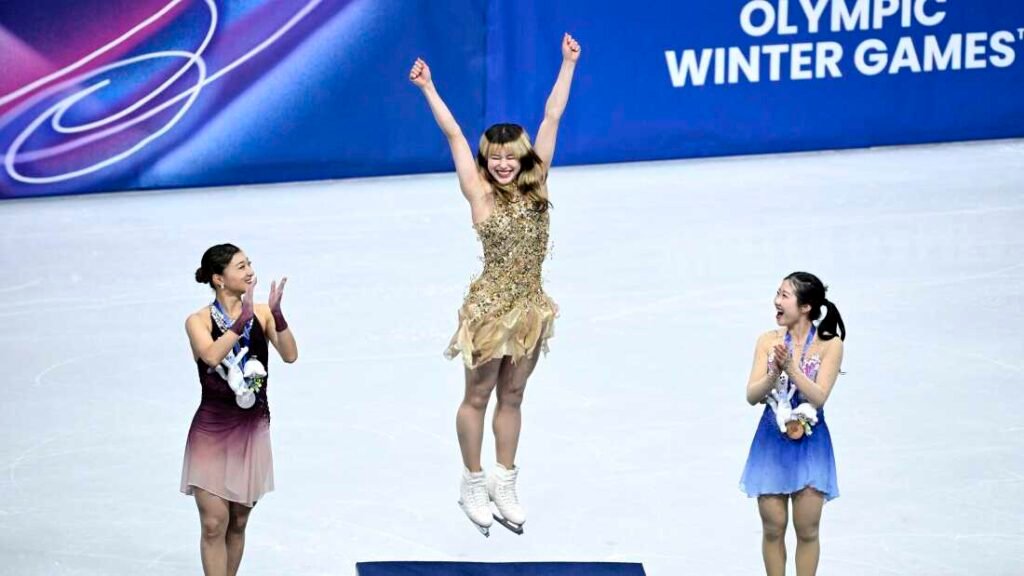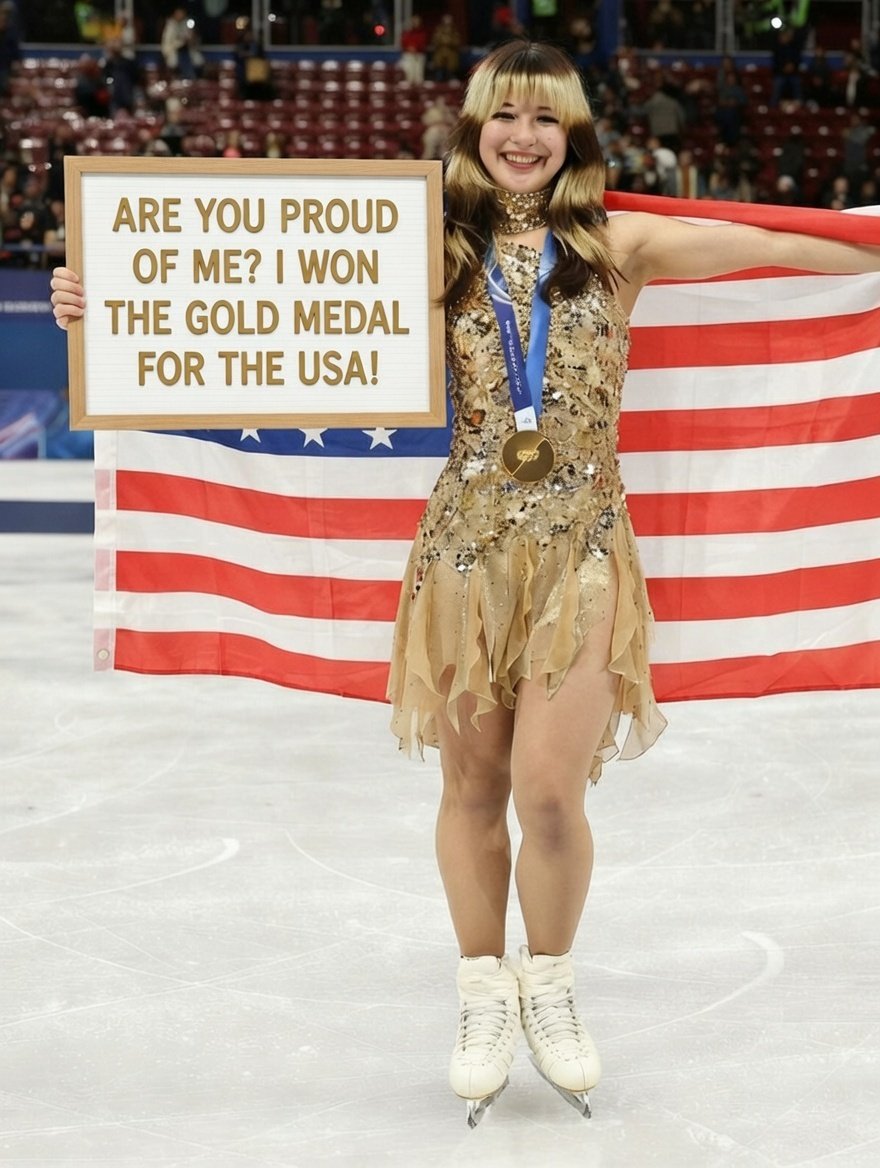
In one of the most inspiring storylines of the 2026 Winter Olympics, Alysa Liu captured the gold medal in women’s figure skating at the Milan Cortina Games, marking a triumphant return to the sport after more than two years away from competition. The 2025 World Champion delivered a performance that combined technical precision, emotional depth, and unmistakable joy — securing her place in Olympic history and reigniting American dominance in the discipline.
For Liu, the victory was more than a medal. It was the culmination of a journey that included early stardom, burnout, retirement, and a courageous decision to return — all before the age of 21.
A Comeback Few Expected
After competing at the 2022 Beijing Olympics, Liu shocked the skating world by stepping away from the sport. At the time, she cited the need for personal growth and balance after years of intense international pressure. Having burst onto the scene as a teenage prodigy and two-time U.S. national champion, Liu had long been seen as one of America’s brightest skating talents.
Her retirement appeared genuine and indefinite.
But in 2025, Liu returned — refreshed, focused, and skating on her own terms. That same year, she claimed the World Championship title, signaling that her comeback was not symbolic but serious. The win immediately positioned her as a top contender for Olympic gold heading into Milan Cortina.
The Golden Performance in Milan Cortina
At the 2026 Games, Liu delivered when it mattered most.
Her free skate was a masterclass in balance — blending technical content strong enough to withstand international scrutiny with expressive choreography that drew the crowd into every movement. Known for her lightness on the ice and infectious smile, Liu skated with visible confidence.
But beneath that joy was substance.
She executed her jump combinations cleanly, maintained composure under pressure, and maximized her component scores with artistry and maturity. Judges rewarded both her technical base value and performance quality, placing her firmly atop the standings.
When the final scores were announced, the arena erupted.
The gold medal was hers.
Ending a 24-Year Drought for U.S. Women
With the victory, Liu became the first American woman to win Olympic gold in figure skating since Sarah Hughes accomplished the feat at the 2002 Salt Lake City Games. The 24-year gap had been a point of discussion among commentators, particularly as other nations surged in dominance over the past two decades.
Liu’s win represents not just personal redemption, but a milestone for U.S. figure skating.
American programs have long invested in rebuilding depth and competitive consistency in women’s skating. Liu’s gold medal signals that those efforts are bearing fruit — and that the United States is once again capable of producing Olympic champions in the discipline.
Skating with Joy — and Precision
Throughout her career, Liu has been defined by her spirit. Coaches and analysts often note her relaxed demeanor and ability to perform without visible strain. Yet her Milan Cortina routine demonstrated something more: discipline layered beneath freedom.
Olympic gold requires more than charisma. It demands risk management, technical planning, and strategic layout decisions. Liu’s program reflected calculated choices designed to maximize scoring potential while preserving flow.
Her jump entries were controlled. Her spins hit required positions with clarity. Transitions flowed naturally into technical elements, enhancing both base value and program components.
It was not merely a joyful skate. It was a complete one.
An Emotional Medal Ceremony
After the medal ceremony, Liu spoke candidly about the moment.
“I’m very happy with how I skated,” she said. “It was an unbelievable feeling when I was done skating. And when I was skating — hearing the cheers — I felt so connected with the audience. I want to be out there again.”
Her words captured the emotional arc of her journey. Once uncertain whether she would ever compete again, Liu now stands atop the Olympic podium — already expressing hunger for more.
Observers noted the authenticity of her reaction. There was no overstatement, no dramatic flourish. Just gratitude and exhilaration.
What This Means for Her Legacy
Alysa Liu’s career has defied traditional timelines.
She achieved national titles as a young teenager. She competed at the Olympics. She retired before most skaters reach their technical peak. Then she returned, matured, and captured the sport’s ultimate prize.
This trajectory complicates conventional narratives about athletic development. Rather than pushing through exhaustion, Liu stepped back — and returned stronger.
Her gold medal now places her among the elite names in American skating history. It also positions her as a potential leader for the next generation, both competitively and culturally.
The Broader Impact
The Milan Cortina Games have already produced memorable performances, but Liu’s comeback victory may become one of the defining stories of the Olympics.
In an era where athletes increasingly speak about mental health, burnout, and personal agency, Liu’s journey resonates beyond sport. She chose when to leave. She chose when to return. And she succeeded on her own timeline.
For young skaters watching around the world, that message may prove as powerful as the medal itself.
A New Chapter Begins
Now, the question turns to what comes next.
Will Liu continue competing through another Olympic cycle? Will she defend her world title? Or will she once again surprise fans with an unexpected decision?
For now, none of that matters.
At the 2026 Milan Cortina Winter Games, Alysa Liu stood alone at the top of the podium — a champion reborn, a drought ended, and a comeback completed in golden fashion.